Last year at the Game Developers Conference, Epic Games showed off a tech demo entitled "Samaritan" that ran on not one, not two, but three GTX 580s. Three cards were required to run the demo in real time. That was last year. This year? Just one card was needed.
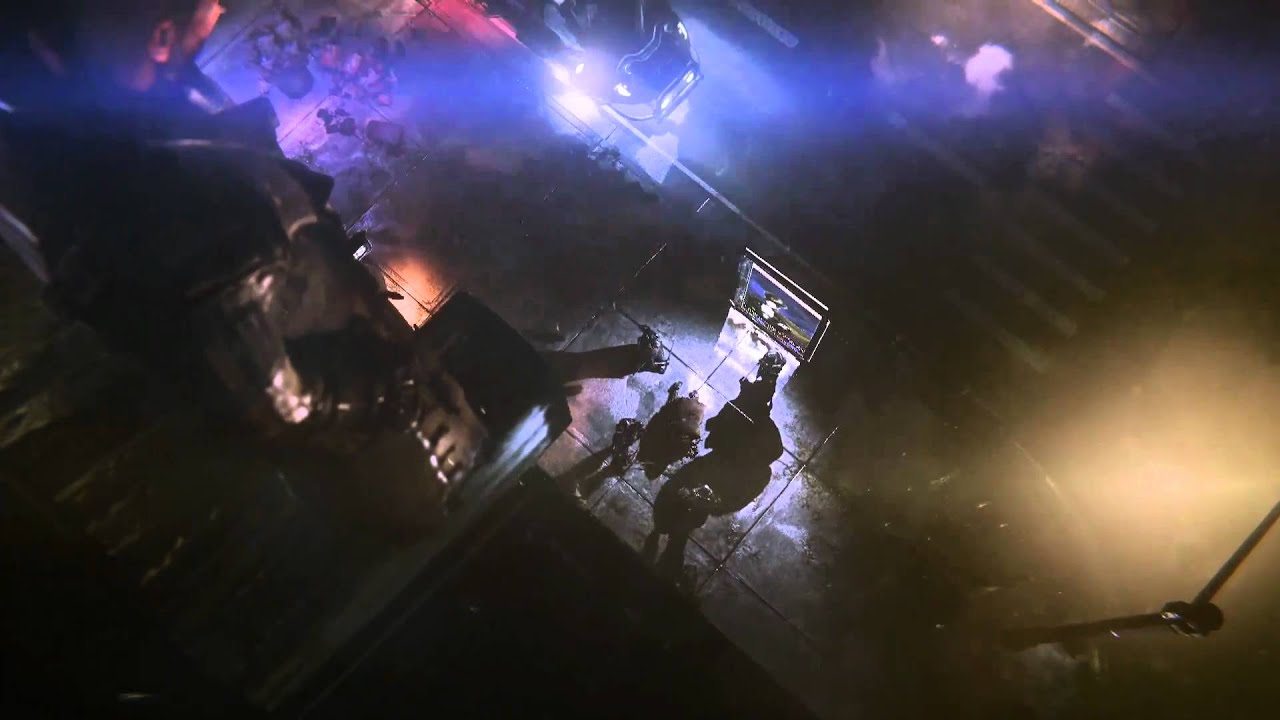
The crew at Nvidia also touted the performance increase that came from running the demo with FXAA compared to MSAA.
The GeForce website has interactive images that show off the differences between the AA types. It also includes additional information about this year's presentation. From three cards to one, that is damn impressive.
Today GDC 2012 is upon us, and once again Epic has shown the Samaritan demo, but this time with a twist - instead of three GeForce GTX 580s, the demo was shown running on a single next generation NVIDIA graphics card.
At the conclusion of the demo the card in question was revealed to be our much-anticipated ‘Kepler’ GPU, the follow-up to our current-generation Fermi card. Although no further information on Kepler was given, the demo sent a clear message: the graphics in Samaritan, generally regarded as a glimpse of the gaming industry’s far-off future, will in fact be possible in the near future on PC systems running a single next-generation graphics card.
At the conclusion of the demo the card in question was revealed to be our much-anticipated ‘Kepler’ GPU, the follow-up to our current-generation Fermi card. Although no further information on Kepler was given, the demo sent a clear message: the graphics in Samaritan, generally regarded as a glimpse of the gaming industry’s far-off future, will in fact be possible in the near future on PC systems running a single next-generation graphics card.
The crew at Nvidia also touted the performance increase that came from running the demo with FXAA compared to MSAA.
"Without anti-aliasing, Samaritan’s lighting pass uses about 120MB of GPU memory. Enabling 4x MSAA consumes close to 500MB, or a third of what's available on the GTX 580. This increased memory pressure makes it more challenging to fit the demo’s highly detailed textures into the GPU’s available VRAM, and led to increased paging and GPU memory thrashing, which can sometimes decrease framerates.”
"FXAA is a shader-based anti-aliasing technique,” however, and as such “doesn't require additional memory so it's much more performance friendly for deferred renderers such as Samaritan." By freeing up this additional memory developers will have the option of reinvesting it in additional textures or other niceties, increasing graphical fidelity even further.
"FXAA is a shader-based anti-aliasing technique,” however, and as such “doesn't require additional memory so it's much more performance friendly for deferred renderers such as Samaritan." By freeing up this additional memory developers will have the option of reinvesting it in additional textures or other niceties, increasing graphical fidelity even further.
The GeForce website has interactive images that show off the differences between the AA types. It also includes additional information about this year's presentation. From three cards to one, that is damn impressive.

Comment